
417-771-5817
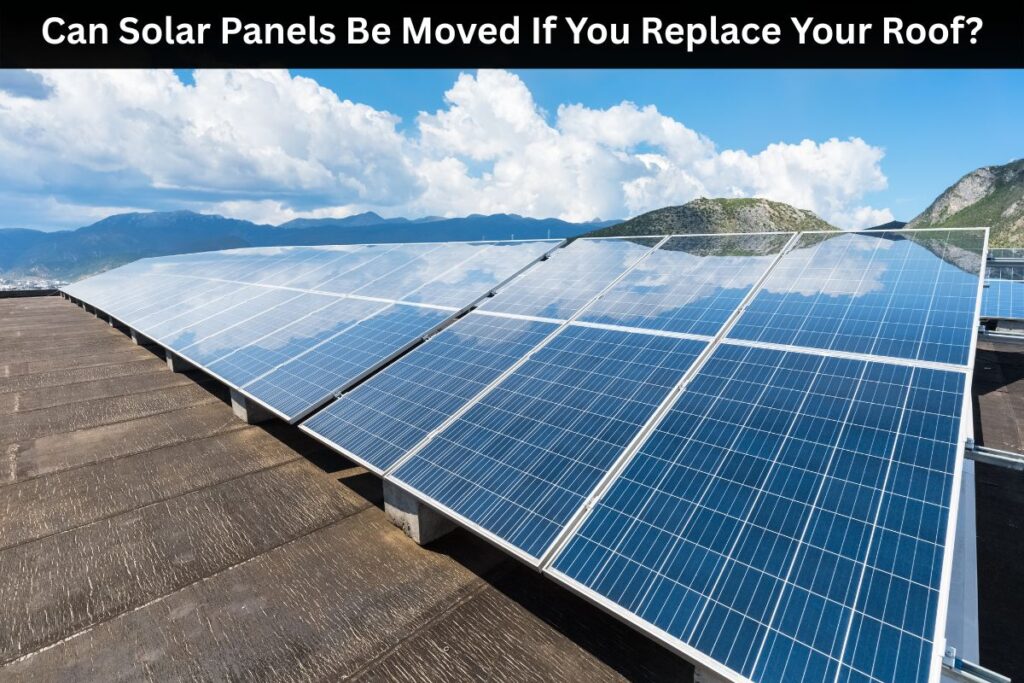
Your roofer just told you the shingles are at the end of their life. Your solar array sits right on top of them, and nobody has explained what happens next. Many owners assume the panels are stuck there, or that moving them will cost a fortune and void something. Others find out too late that the order of operations matters.
Quick Answer: Yes, solar panels can be safely removed and reinstalled during a roof replacement. A qualified solar crew shuts down the system, detaches the panels and racking, the roofer installs the new roof, and the crew re-mounts and re-commissions the array. Done in the right order, with proper flashing and documentation, your system can return to full production.
The rest of this article covers what an experienced installer pays attention to that most roofing and solar blogs skip: the sequence, the warranty traps, the timing decisions, and the point where it makes sense to rethink the system itself.
Can Solar Panels Really Be Moved When You Replace Your Roof?
They can, and it’s routine work in the solar industry. The trade term is “detach and reset” (sometimes “remove and reinstall”). Solar panels are designed to be mounted and unmounted. The rails, clamps, and wiring are all serviceable.
What makes the job more than a simple unbolting is that your roof and your solar array are physically integrated. Every mounting point on your roof is a hole that was sealed and flashed. A new roof means those holes are exposed, resealed, and re-penetrated. If the process isn’t coordinated, the most common long-term problem in solar and roofing shows up: leaks around mounting points.
Residential example: A homeowner in the Springfield, MO area has a 20-year-old asphalt shingle roof and a solar array that is eight years old. The roof is the older of the two components, and the array has more than a decade of productive life ahead. The panels aren’t the problem. They just need to step aside for a few days.
Commercial example: A facility manager with a rooftop array on a warehouse in the Kansas City area is planning a membrane roof replacement. The roof and solar have separate warranties, separate contractors, and a production schedule that affects the utility bill. This is a project-management problem as much as a construction one.
What Happens When You Remove Solar Panels for Roof Replacement? (Step by Step)
Here is the sequence a well-run project follows.
- Pre-project assessment. The solar team reviews the system layout, inverter type, wiring paths, and the roof plan before anything is touched. Photos and documentation of the existing array are taken. Skipping this step is one of the biggest sources of later disputes.
- System shutdown. The system is safely powered down at the inverter, the AC disconnect, and the DC side. Solar panels produce electricity whenever light hits them, so shutdown is more than flipping one switch.
- Panel removal. Panels are disconnected, unclamped, and lifted off. They’re typically staged on the ground or on protected surfaces so the glass, frames, and connectors aren’t damaged.
- Racking and mount removal. The rails and attachment hardware come off. This is when the roof’s old penetrations are exposed.
- Roof replacement. The roofer tears off, repairs the decking if needed, and installs the new roofing. Ideally, they know where the solar attachments will go back.
- Reinstallation. The solar crew installs new flashing and mounts, reattaches the racking, and re-mounts the panels. Mounting points are properly sealed to the new roofing system.
- Re-commissioning and testing. The electrical connections are checked, the system is powered back on, and production and monitoring are verified so nothing was missed.
The installer insight: Reinstalling panels is not the same as putting them back where they were. The new roof changes the surface, and the mounting hardware should be re-set with fresh flashing and sealing rather than reused as-is. Reusing old hardware over new roofing is where many leaks start.
Who Should Handle the Removal: Your Roofer or Your Solar Company?
This is where many projects go sideways. Roofers are experts in roofing. Solar installers are experts in electrical systems and in how arrays attach to roofs. Each does the other’s job less well.
What typically works best:
- The solar company handles shutdown, panel and racking removal, and the electrical reconnection.
- The roofer handles the roof itself.
- Both agree in writing on the schedule, who flashes the mounting points, and who is responsible if something fails.
A few reasons to avoid a roofer removing the panels by themselves: panel connectors and wiring can be damaged, electrical shutdown steps can be missed, and manufacturer or installer warranties may be affected if the equipment is handled by someone outside the process.
Ask these questions before hiring either contractor:
- Have you worked around solar arrays before?
- Who is responsible for flashing the mounting points on the new roof?
- Will the solar crew be on site on the day the roof goes down?
- What happens if there’s weather delay while panels are off?
How Long Are Solar Panels Off the Roof?
It depends on the size of the array and the complexity of the roof, but the production gap is usually shorter than owners expect.
| Project type | Typical timeline for the panels to be off | What drives the timeline |
| Small residential array, simple roof | A few days to about a week | Roof size, weather, roofer’s schedule |
| Larger residential array, multiple roof planes | One to two weeks | Roof complexity, decking repairs |
| Commercial flat roof | Often several weeks | Roof area, membrane type, phased work |
| Commercial with phased roofing | Staged, section by section | Keeping part of the system online |
These are general planning ranges, not guarantees. The roof schedule almost always sets the pace, so ask your roofer for a realistic window before booking the solar crew.
What most blogs miss: Weather is the swing factor. A roof that’s torn off needs to be dried in quickly. In regions with spring storm seasons, like much of Missouri and Kansas, an experienced project coordinator plans a buffer so the panels aren’t removed days before a rain stretch. Two crews that don’t communicate can leave a house with an open roof and no power from the array.
What Does It Cost to Remove and Reinstall Solar Panels?
Pricing varies, and any website that quotes you one number without seeing your system should be treated with caution. The main cost drivers:
- System size. More panels mean more labor.
- Roof access and pitch. A steep, multi-plane roof takes longer than a simple low-slope one.
- Inverter and wiring design. Systems with microinverters or optimizers at each panel can take more time to disconnect and verify.
- Mounting hardware. New flashing and mounts are a cost, but a worthwhile one.
- Whether decking repairs reveal other problems. Rotted wood under the old shingles is common.
- Re-commissioning and testing. Verification takes time but protects your production.
Why quotes vary: One contractor may price only the electrical disconnect and leave the flashing to the roofer. Another includes new mounts, sealing, and a full performance check. If two quotes differ widely, look at what’s included before you look at the price.
The perspective that matters: Treat this as a one-time cost tied to a roof event that was coming anyway. If your system saves you money for another decade or more, the reinstall cost is a small piece of the long-term picture. A system with a leaking attachment is a much bigger cost.
Should You Replace Your Roof Before You Install Solar Instead?
If you’re reading this before you’ve gone solar, this is the most useful section in the article. Panels last for decades. A roof at the end of its life will not. Putting panels on a roof that needs replacement in a few years means paying for the removal and reinstall later.
General guideline from the field:
- Roof is relatively new and in good shape: Go solar without hesitation.
- Roof is mid-life with a clear remaining lifespan: Have it inspected and discuss the timeline with your installer.
- Roof is near the end of its life, or has known damage: Replace it first, then install solar on the new roof.
Scenario: A homeowner in Bentonville is told their roof has maybe five more years. Installing solar now and replacing the roof later is possible, but they’ll pay for the removal and reinstall. If they replace the roof first, the solar goes up once and stays there.
Commercial note: For business owners, the same logic applies at a bigger scale. A flat commercial roof with a short remaining life is a candidate for replacement before an array goes on. A facility manager in the St. Louis area who coordinates both at once can often avoid paying for two mobilizations.
Warranty Traps That Catch Property Owners Off Guard
This is the area where an experienced consultant earns their keep. Several warranties are in play at once:
- Roofing manufacturer warranty: Covers the roofing materials.
- Roofer’s workmanship warranty: Covers the installation of the roof.
- Solar equipment warranties: Cover the panels, inverters, and mounting equipment.
- Solar installer’s workmanship warranty: Covers the installation, including roof attachments.
Where things go wrong:
- A roofer says the new roof is covered, but only if they handle the solar attachment points. Or the reverse: the solar company says their warranty applies only if they do the flashing.
- Nobody documents who touched what. If a leak appears two years later, there’s no record of who sealed the penetration.
- Equipment gets damaged and nobody owns it. A cracked panel during removal is a real risk with inexperienced handlers.
What to do: Get a short written scope that says who removes the panels, who flashes the mounting points, who tests the system afterward, and who stands behind each part. It’s a one-page document that protects you.
Does the Type of Roof Change How Solar Is Removed and Reinstalled?
Yes, noticeably.
Asphalt Shingle Roofs
The most common residential roof. Mounts penetrate the shingles and attach to the rafters, sealed with flashing. A new shingle roof means new flashing at every mounting point.
Metal Roofs
Standing seam metal roofs often use clamps that grip the seams rather than drilling through the roof. This can simplify removal and reinstallation. The details depend on the specific panel profile.
Tile Roofs
Tile roofs require more care. Tiles are lifted or replaced around mounts, and breakage is a real concern. Experienced handling matters a great deal here.
Flat and Low-Slope Commercial Roofs
Many commercial systems use ballasted racking (weighted rather than penetrating) or penetrating mounts sealed into the membrane. Membrane replacement and the roof manufacturer’s requirements need to be reviewed before work begins.
The Commercial Angle: What Facility Managers and Property Managers Should Plan For
Commercial projects add a few layers:
- Production loss during the gap. On a large array, offline days affect energy costs. Phasing the work can keep part of the system running.
- Roof access and safety. Larger arrays need staging space and coordination with building operations.
- Multiple stakeholders. Roofing contractor, solar installer, building owner, tenants, and sometimes a lender or insurer.
- Roof manufacturer requirements. Some commercial roofing warranties have specific conditions for work around rooftop equipment.
- Documentation. Facility teams benefit from a record of the system layout and condition before and after.
If you manage a portfolio, consider whether the roof replacement is the right moment to evaluate the array itself. We talk more about that below, and our commercial solar installation team can help with that kind of planning.
Is This the Right Time to Upgrade or Resize Your System?
A roof replacement is one of the few times the entire array is already down and accessible. That makes it a natural point to ask a few questions:
- Has your energy use changed? An EV, a new HVAC system, an addition, or new business equipment can all push usage up.
- Is your equipment aging? If the inverter is nearing the end of its life, replacing it while panels are down can save a separate service visit.
- Is the layout still the best one? A new roof may allow better panel placement, or reveal shading from tree growth since the original install.
- Are there monitoring gaps? If your monitoring has been flaky, this is the time to fix it.
This is not an upsell. It’s practical sequencing. Doing the work once is cheaper than doing it in separate trips.
Is Your Property a Good Candidate for Keeping Solar Through a Roof Project?
For most owners with a working system, the answer is yes. These factors help you decide:
Signs the system is worth keeping on the roof:
- Panels are producing close to their expected output
- Equipment is in good condition and under warranty
- The roof plan is compatible with the existing layout
- Your energy use still matches the system size
Signs to pause and evaluate:
- Production has dropped noticeably
- Your inverter is failing or past its expected life
- The roof change affects the available panel space
- Your building or usage has changed significantly
A short site assessment can tell you which category you’re in before you commit to anything.
Regional Considerations Across Missouri, Arkansas, Illinois, and Kansas
Weather and roofing conditions across the region shape roof and solar projects:
- Hail and storm exposure. Hail is a real concern across Missouri, Kansas, and parts of Arkansas. Storm damage is a common reason roof replacements come up, and insurance claims often involve both the roof and the array. Document your array’s condition with photos.
- Seasonal scheduling. Spring and summer are busy for roofers. Scheduling the solar crew around the roofer is critical, especially in areas like Joplin and Springfield where severe weather can shift timelines quickly.
- Mixed housing stock. Older homes in places like Belleville and Jefferson City may need decking or structural attention beneath the old roof.
- Growth areas. Newer subdivisions in Fayetteville, Rogers, Springdale, and O’Fallon often have younger roofs, but storm damage can accelerate things.
- Rural and agricultural properties. Properties near Eureka, KS, may have outbuildings and barns with different roof types and access considerations.
For a look at where our team works, see our areas we serve.
Your Pre-Roof-Replacement Solar Checklist
Use this before the first estimate comes in:
- Locate your solar installation paperwork, warranties, and system layout.
- Check your monitoring and note current production levels.
- Photograph the array and the roof from several angles.
- Ask your solar installer about their detach-and-reset process.
- Get the roofer’s schedule and weather plan in writing.
- Confirm who flashes the mounting points and who warranties them.
- Ask whether the inverter or monitoring should be reviewed while panels are down.
- Confirm testing and re-commissioning after reinstallation.
- Keep copies of all signed scopes and completion records.
What to Look for in a Solar Installer for This Kind of Project
Not every solar company handles detach-and-reset well. Look for:
- Roof-aware experience. They understand flashing, roofing materials, and how arrays attach.
- A clear written process. You should know what happens at each step.
- Coordination habits. They’re willing to talk to your roofer directly.
- Honest assessment. They tell you when the array should be left alone, upgraded, or adjusted.
- Local familiarity. They know the weather, building conditions, and permitting realities in your area.
The same qualities apply whether you’re a homeowner or a property manager with multiple buildings. Our team handles both residential solar installation and commercial solar installation projects, and we regularly work through roof-and-solar timing questions with property owners.
Talk to Someone Before the Roof Goes Down
Roof replacement is a manageable project when it’s planned. The problems come from assumptions: that the roofer will handle the panels, that the warranty covers everything, or that the system will simply come back online. A short conversation up front can prevent the expensive surprises.
If you have a roof project on the horizon, Solera Energy LLC can review your system, discuss timing, and give you a straight answer on what the process involves for your property. Request a solar assessment or call us to talk through your situation. There’s no pressure, just practical guidance from a team that works on roofs and arrays every day.
FAQ SECTION
Can solar panels be removed and reinstalled on a new roof?
Yes. This is a standard process called detach and reset. The panels and racking are removed, the roof is replaced, and the system is remounted with new flashing and re-commissioned.
How long does it take to remove solar panels for a roof replacement?
The removal itself is often completed in a day or two for a typical home. The total time the system is offline depends mostly on the roof schedule and weather.
Will removing and reinstalling panels damage them?
Not when handled by experienced crews. Damage is more likely when untrained workers handle panels or connectors. Using the original installer or a qualified solar contractor reduces that risk.
Who is responsible for flashing the mounting points on the new roof?
It should be agreed in writing before work starts. Often the solar installer handles the flashing at the mounts, while the roofer handles the surrounding roofing. Clarity here prevents warranty disputes.
Should I replace my roof before going solar?
If your roof is near the end of its life, replacing it first is usually the smarter move. It avoids paying for a second mobilization later.
Can I use the same roofer I was already planning to hire?
Usually, yes. The key is that the roofer and solar company coordinate on schedule, flashing, and responsibilities.
Is a roof replacement a good time to upgrade my solar system?
It can be. With the array already down, adding capacity, replacing an aging inverter, or fixing monitoring issues can be more efficient than doing it later.
How does this work for a commercial building?
Commercial projects usually involve more coordination: roof manufacturer requirements, phased work to limit production loss, and multiple contractors. Planning early makes a big difference.