
417-771-5817
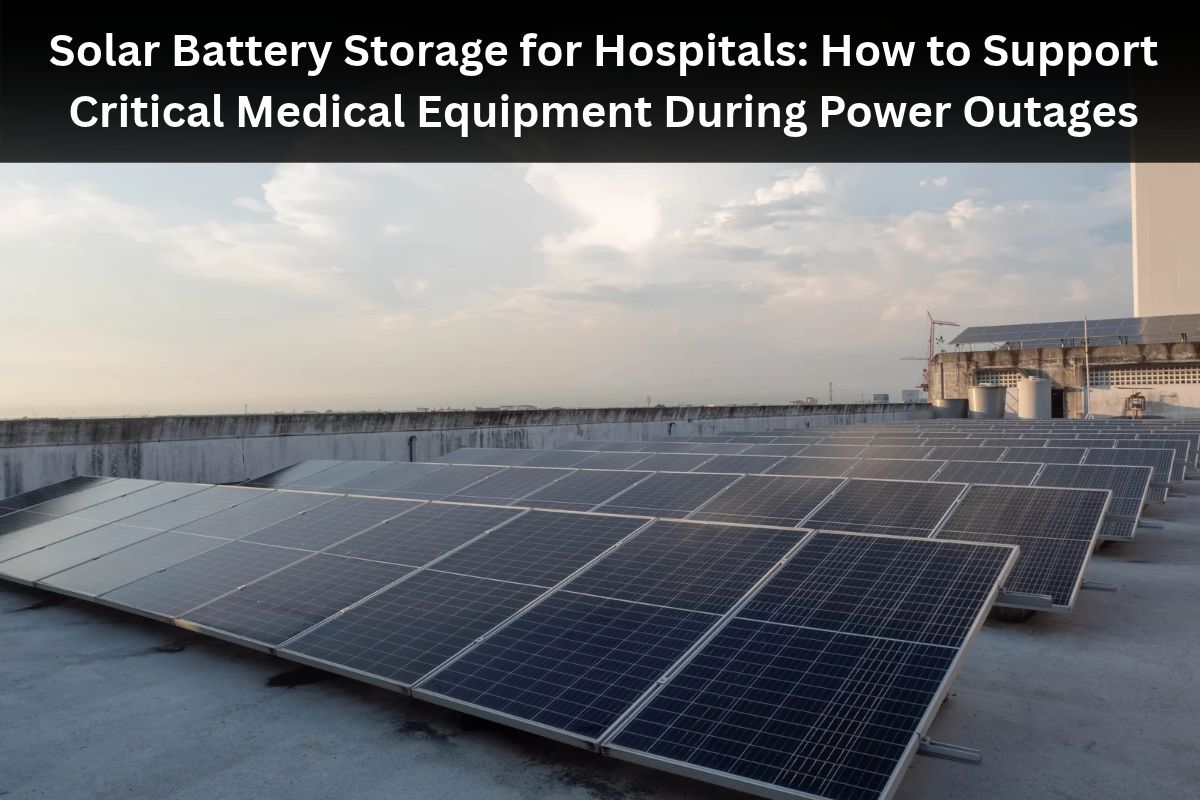
Hospitals cannot afford to overlook the importance of a dependable electricity supply. From life-support systems and patient monitors to surgical equipment, refrigeration, and emergency lighting, medical facilities rely on power to keep essential services running. However, severe storms, damaged power lines, and unexpected grid failures can interrupt electricity when hospitals need it most. Having a reliable backup power arrangement is therefore an important part of healthcare facility planning.
Solar energy combined with battery storage offers hospitals another way to prepare for these situations. Instead of depending entirely on electricity from the utility grid, medical facilities can generate solar power, store excess energy, and use that stored electricity when needed. The system must be carefully designed to support the facility’s operational requirements and work alongside its existing emergency power arrangements.
At Solera Energy, we understand that medical facilities have different energy demands from ordinary commercial buildings. Our solar installation services help healthcare organizations explore customized energy systems that support their operational needs. With the right combination of solar generation, battery storage, and backup power equipment, hospitals can take practical steps toward improving energy resilience and protecting essential operations.
Why Is Backup Power Important for Hospitals?
A power interruption can create serious challenges for healthcare facilities. Hospitals operate around the clock, and many medical procedures depend on equipment that requires a consistent electricity supply.
Even a temporary outage can affect several departments, including:
- Intensive care units: Patient monitoring equipment and life-support systems require dependable electrical power.
- Operating rooms: Surgical lighting, medical devices, and ventilation systems need reliable electricity.
- Emergency departments: Diagnostic equipment and essential medical systems must remain available during emergencies.
- Laboratories: Refrigeration and testing equipment may require continuous power to protect samples and maintain operations.
- Pharmacies: Certain temperature-sensitive medications need appropriate storage conditions.
- Patient rooms: Lighting, communication systems, and monitoring devices support patient safety and daily care.
Hospitals generally maintain emergency generators and other backup arrangements to prepare for utility failures. However, adding properly configured battery storage can provide another source of electricity and help support selected critical loads.
How Does Solar Battery Storage Work in a Hospital?
A solar battery storage system works by collecting electricity generated by solar panels and storing unused energy for later use.
During daylight hours, solar panels convert sunlight into electricity. The energy can supply the facility’s electrical demand, while excess generation can be directed to compatible battery storage equipment.
When solar production decreases or an outage occurs, stored electricity can be used to support designated electrical loads, provided the system has the necessary backup configuration.
The main components include:
Solar panels: These generate electricity from sunlight and provide an additional source of energy for the facility.
Battery storage: Batteries store excess electricity so it can be used when solar production is low or during an outage.
Inverters: These convert electricity into the form required by the facility’s electrical systems and coordinate energy flow.
Energy management controls: These help manage when stored energy is used and which electrical loads receive backup power.
Backup power equipment: Generators and other emergency power systems can work alongside battery storage to provide additional support when required.
A properly engineered arrangement allows these components to work together according to the hospital’s electrical requirements.
Which Medical Equipment Should Receive Priority During an Outage?
Not every department needs the same level of backup support. Hospitals should identify essential electrical loads before selecting a battery storage system.
A detailed assessment helps determine which equipment needs immediate backup and how long it should remain operational.
1. Life-Support and Patient Monitoring Equipment
Ventilators, patient monitors, infusion pumps, and other essential medical devices require dependable electricity. These systems should be included in the hospital’s critical power planning.
Battery storage may support designated equipment through appropriately configured electrical circuits. However, the system must meet the equipment’s power requirements and applicable healthcare safety standards.
2. Emergency and Operating Room Equipment
Emergency departments and operating rooms depend on several electrical systems working together. Surgical lighting, medical instruments, communication equipment, and other essential devices must be considered when planning backup power.
Hospitals should identify which systems require immediate support and coordinate their battery arrangements with existing emergency power infrastructure.
3. Medical Refrigeration Systems
Certain medications, vaccines, blood products, and laboratory materials require controlled storage conditions. A prolonged outage can put these supplies at risk if refrigeration systems lose power.
A battery storage system can help support designated refrigeration equipment when appropriately sized and connected.
4. Essential Lighting and Communication Systems
Emergency lighting, security systems, communication equipment, and designated computer systems also contribute to hospital operations.
Maintaining these services helps staff coordinate their response during an outage and supports safe movement throughout the facility.
What Should Hospitals Consider Before Installing Solar Battery Storage?
Choosing a battery system requires more than estimating how much electricity a hospital uses. Several technical and operational factors influence the design.
1. Total Electricity Consumption
Hospitals have substantial energy requirements because of their continuous operations and specialized equipment.
Reviewing historical electricity consumption helps determine how much energy the facility needs and where demand is highest. Administrators should also identify which departments have the greatest backup requirements.
2. Critical Load Requirements
A battery system does not necessarily need to power every department during an outage. Hospitals can prioritize essential equipment and designate specific electrical circuits for backup support.
This approach helps determine the required battery capacity and prevents unnecessary energy use during emergencies.
3. Required Backup Duration
The amount of time a battery can supply electricity depends on its usable capacity and the connected equipment’s energy consumption.
Hospitals should consider how long essential systems need to operate before another backup source becomes available. Their emergency plans should also account for extended outages.
4. Existing Generator Infrastructure
Most hospitals already have emergency generators or other backup arrangements. Solar batteries should be evaluated as part of this existing infrastructure rather than treated as an automatic replacement.
A qualified engineering team must determine how the systems can work together safely and effectively.
5. Installation Space and Electrical Compatibility
Battery storage equipment needs an appropriate installation location with suitable electrical connections, ventilation, access, and fire-safety provisions.
The facility’s existing electrical infrastructure must also be evaluated to determine whether upgrades or additional equipment are necessary.
Can Solar Battery Storage Replace Hospital Emergency Generators?
Solar battery storage can provide valuable backup support, but hospitals should not assume it can replace their emergency generators.
Batteries have a limited amount of stored energy. Once that energy is depleted, the system needs another source of electricity unless solar production or another compatible source can recharge it.
Generators can provide longer-duration backup when properly supplied and maintained. Solar batteries, on the other hand, can respond quickly, operate quietly, and store electricity for use when solar generation is unavailable.
For many healthcare facilities, combining these technologies may offer a more practical approach.
The appropriate arrangement depends on the hospital’s critical loads, backup duration requirements, existing equipment, and applicable healthcare electrical and life-safety standards. Professional engineering and coordination with the hospital’s facilities team are essential before making changes to emergency power infrastructure.
How Solera Energy Helps Hospitals Plan Commercial Solar Solutions
Planning a solar installation for a healthcare facility requires an understanding of its energy consumption, electrical infrastructure, and operational priorities.
Solera Energy works with hospitals and medical offices across Missouri and Arkansas to develop customized commercial energy solutions. With more than a decade of industry experience, our team understands the importance of planning systems around each facility’s requirements.
Our commercial solar installation approach includes:
- Energy assessment: We review the facility’s energy usage and operational requirements to understand its electricity needs.
- Customized system design: Our team develops an installation plan based on the property’s available space and energy goals.
- Energy storage integration: We help evaluate battery storage and backup power options that complement the solar installation.
- Permitting and coordination: We assist with the necessary project approvals and utility coordination.
- Professional installation: Our team manages the installation according to the approved project design.
- Monitoring and ongoing support: We help customers monitor system performance and address their energy system needs.
Our solar installation services are intended to help healthcare facilities explore a coordinated approach to solar generation, energy storage, and backup power.
Frequently Asked Questions
Can solar batteries keep hospital equipment running during a power outage?
Yes, properly designed solar battery systems can support selected medical equipment during an outage. However, the battery must have sufficient capacity, compatible backup controls, and appropriate electrical connections. Hospitals should identify their critical loads before installation.
How long can a hospital operate on solar battery storage?
The backup duration depends on the battery’s usable capacity and the electricity consumption of connected equipment. A system supporting only selected critical loads may last longer than one supplying several departments. A professional assessment helps determine suitable storage requirements.
Does Solera Energy provide commercial solar solutions for hospitals in Missouri?
Yes. Solera Energy works with hospitals and medical offices throughout Missouri and Arkansas. Our team can evaluate your facility’s energy requirements and help develop a customized commercial solar solution that supports its operational goals.
Can Solera Energy help Missouri hospitals integrate solar and battery storage?
Solera Energy offers commercial solar and energy storage solutions. Our team can help healthcare facilities explore how solar generation and battery storage can work together to support selected electrical loads and improve energy management.
Why should Missouri hospitals consider Solera Energy for commercial solar installation?
Solera Energy brings more than a decade of industry experience and understands the energy demands of commercial facilities. Our team provides customized system planning, installation coordination, and ongoing support to help Missouri hospitals explore suitable energy solutions.
Can solar battery storage work with an existing hospital generator?
Yes, solar battery storage may be integrated with an existing generator system when the equipment and electrical configuration are compatible. Solera Energy can help assess the facility’s solar and storage requirements and identify the considerations that need to be addressed during project planning.
Strengthen Your Hospital’s Energy Preparedness With Solera Energy
A dependable electricity supply is essential to maintaining hospital operations and supporting patient care. Power outages can place pressure on medical staff, interrupt important services, and create challenges for facility management. Solar generation combined with battery storage offers another way to prepare for these situations while improving the facility’s approach to energy management.
At Solera Energy, we understand that every healthcare facility has different operational requirements. Our team takes a customized approach to commercial solar solutions, helping medical organizations explore energy generation, battery storage, and backup power options that fit their needs.
Contact Solera Energy today to discuss your hospital’s commercial solar and battery storage requirements in Missouri. Let our team help you explore a dependable energy solution designed to support your facility’s critical operations and long-term energy goals.