


Solar Battery vs. Generators in Missouri & Arkansas: Which Is Best for Backup Power?
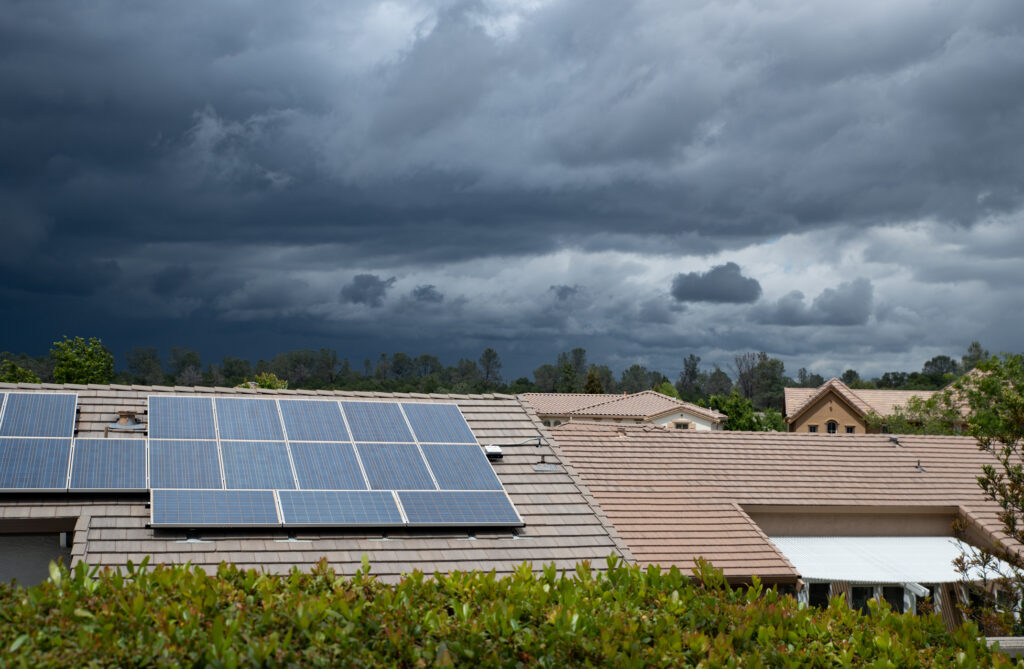
Picture this: a thunderstorm rolls through Springfield, Missouri, lightning cracks over the Ozark hills, and suddenly your home is plunged into darkness. Or perhaps an ice storm sweeps across Fayetteville, Arkansas, leaving entire neighborhoods powerless for hours, or even days. In those moments, you’re either left sitting in the dark, waiting for the utility company to restore service, or you have a reliable backup power system that keeps your household running. Many residents across Missouri and Arkansas can benefit from backup power, but the question remains of weighing the pros and cons of a solar battery vs. generator. Solera Energy, the first solar company in Missouri and the leader in installations across the state, is here to help you make the right decision for your house and your budget.
How Each Option Works
Both solar batteries and generators provide backup power, but they operate in very different ways. A solar battery stores excess energy produced by your solar panels during the day, then releases that stored power when you need it, whether at night, during peak utility rates, or in an outage. Generators, on the other hand, run on fuel such as natural gas, propane, or diesel, and are designed to activate during emergencies when grid power fails.
Solar Batteries
Solar batteries are essentially energy reservoirs. When your solar panels generate more electricity than you consume, the surplus is stored in the battery. Later, when the sun isn’t shining or the grid goes down, the battery discharges the stored energy to keep your lights, appliances, and devices running. Modern systems, like the Generac PWRcell, are highly efficient and can be scaled to meet your household’s specific needs. With a life span of 35 to 40 years for solar panels, pairing them with a battery ensures long-term reliability and cost savings.
Generators
Generators are time-tested solutions for backup power. They don’t rely on solar panels or the weather; instead, they burn fuel to produce electricity on demand. Standby generators are permanently installed outside your residence and automatically kick on when the grid fails. They can handle heavy loads, such as HVAC systems or well pumps, making them a dependable choice for households that require continuous, high-capacity power during extended outages.
Head-to-Head Comparison
When deciding between a generator vs solar battery bank, it’s important to look at how each performs in real-world conditions.
Outage Performance & Run Time
Solar batteries provide seamless backup during outages. They’re quiet, efficient, and can keep essential circuits powered for hours or even days, depending on the system size and your energy usage. However, once the stored energy is depleted, you’ll need sunlight to recharge. Generators, by contrast, can run as long as you have fuel. For families in rural areas of Arkansas or along Missouri’s Lake of the Ozarks, where outages can stretch on, this extended runtime can be a major advantage.
Noise, Emissions & Maintenance
One of the biggest differences between a solar battery backup and a generator is the experience of living with them. Solar batteries are silent, emission-free, and require virtually no maintenance. Generators, however, produce noise and exhaust, and they require regular servicing to remain reliable. Fuel storage and delivery can also be a concern, especially during widespread outages when demand spikes.
When Batteries Make More Sense
Solar batteries shine when it comes to everyday savings and convenience. If your utility company charges time-of-use rates, a battery allows you to store cheap solar energy during the day and use it when rates are highest in the evening. This reduces your reliance on the grid and lowers your monthly bills. Batteries also help with demand reduction, smoothing out spikes in your household’s energy use. For clients in suburban neighborhoods where outages are less frequent but energy costs are rising, a battery can be a smart, long-term investment.
When Generators Make More Sense
Generators are the better choice for households that face frequent or prolonged outages. If you live in rural areas where storms or ice can knock out power for days, a generator provides peace of mind. They’re also ideal for residences with high continuous loads, such as large HVAC systems, medical equipment, or farm operations. In these cases, the ability to run indefinitely with a steady fuel supply outweighs the benefits of a battery. For families in the Ozark Mountains or along the Arkansas River Valley, where weather can be unpredictable and outages lengthy, a generator may be the more practical solution.
Schedule a Consultation With Solera Energy
Choosing between a generator vs battery for outages isn’t always straightforward, but you don’t have to make the decision alone. Solera Energy has been guiding Missouri and Arkansas clients through this process for years. As the first solar company in Missouri, and the one with more installations than any other in the state, we bring unmatched expertise and credibility to every project. Whether you’re considering a whole home backup battery or exploring the reliability of a standby generator, our team will help you evaluate your household’s needs, your budget, and your long-term goals.
Ready to take control of your energy future? Solera Energy is the trusted partner for solar battery storage and backup solutions in Missouri and Arkansas. Contact us today to learn how you can protect your home and lower your energy costs with a customized system.
Here’s Why Our Customers Love Us