
417-771-5817
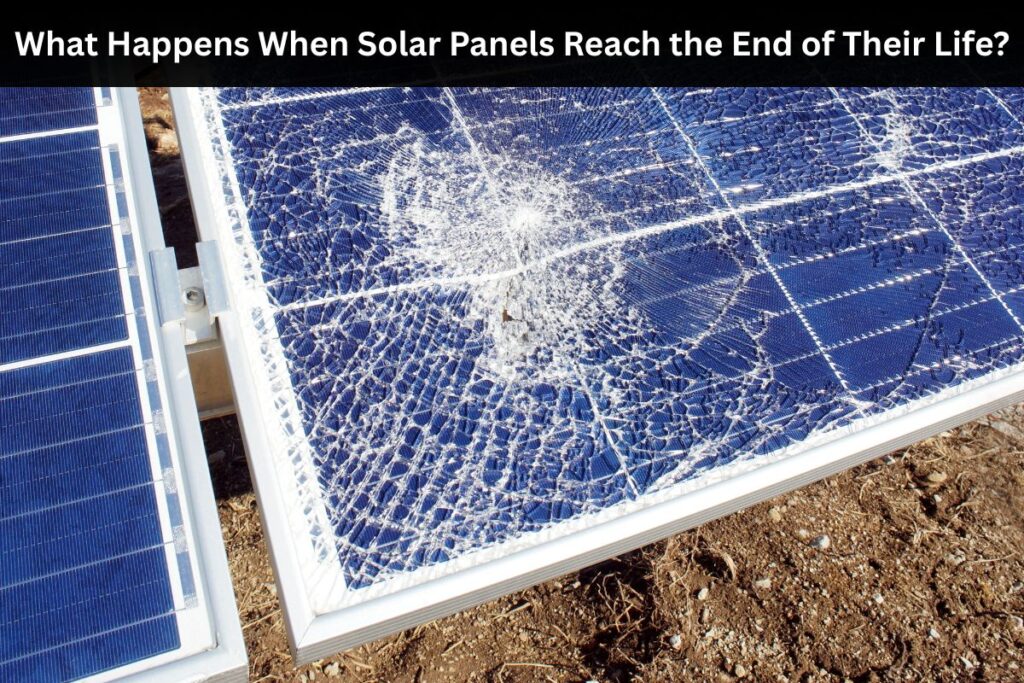
Quick Answer: Solar panels rarely “die” all at once. After 25 to 30 years they usually keep producing power at a reduced level, and when you eventually retire them, they can be reused, recycled, or removed by a professional. Most of a panel’s glass, aluminum, and metals can be recovered, which means old panels don’t have to end up in the trash.
If you’ve ever hesitated over a solar proposal because of one nagging thought, “What happens to these panels in 30 years?”, you’re not alone. It’s one of the most common questions property owners ask before they sign anything, and it’s rarely answered well.
Most articles on this topic either wave the concern away (“panels last forever!”) or lean on scary headlines about a coming “wave of solar waste.” Neither helps you decide whether solar is a smart investment for your home or your building. The truth sits somewhere in the middle, and understanding it can change how you evaluate a system, a warranty, and an installer.
So let’s look at what actually happens over a solar system’s life, what your real options are at the end, and what an experienced installer thinks about before a single panel goes on your roof.
Do Solar Panels Actually “Die”?
Almost never in the dramatic way people imagine. Solar panels have no moving parts, so there’s no motor to burn out or belt to snap. What they do is degrade gradually.
A typical modern panel loses a small fraction of its output each year. After a few decades, a panel that once produced 400 watts might produce somewhere in the range of 320 to 360. It’s still generating electricity. It’s just generating a little less than it used to.
That distinction matters because it changes the real question. Instead of “when do my panels stop working?” the better question is “when does it stop making financial sense to keep them where they are?”
Degradation vs. Failure: What’s the Difference?
| Degradation | Failure | |
| What it is | Slow, predictable decline in output | A component stops working |
| How fast | Gradual over decades | Sudden or tied to a specific defect |
| Typical cause | Sun exposure, heat, weather cycles | Manufacturing defect, physical damage, water intrusion |
| Common fix | Often none needed | Warranty claim or panel replacement |
| What you notice | Slightly lower production year over year | A noticeable drop or an alert from monitoring |
Installer insight: In the field, the component that fails first is usually not the panel. It’s the inverter, the device that converts the power your panels make into power your building uses. Inverters commonly need replacement once or twice over the life of a system, well before the panels themselves are done. Any honest proposal should tell you this up front.
How Long Do Solar Panels Really Last?
Most manufacturers warrant their panels for 25 years, and many panels continue producing well beyond that. But “warranty length” and “useful life” aren’t the same thing.
- Warranty period: The window in which the manufacturer guarantees a certain minimum output.
- Useful life: How long the system keeps producing power worth keeping.
A system can easily outlast its warranty. What changes over time isn’t whether it works, but whether newer technology, your changing energy needs, or the condition of your roof make a different setup more attractive.
What Affects How Fast Panels Age
Not every roof treats panels the same. Factors an installer looks at include:
- Heat exposure. Panels in hotter, sunnier conditions can age slightly faster than those in milder ones.
- Weather events. Hail, high winds, and heavy storms are real considerations across Missouri, Kansas, and Arkansas.
- Panel quality. Tier, manufacturer, and construction vary widely.
- Installation quality. Poor racking, improper wiring, or water intrusion around roof penetrations can shorten a system’s effective life far more than age itself.
- Ventilation. Panels mounted with proper airflow beneath them run cooler and tend to age better.
- Shading and debris. Chronic shading and buildup can cause hot spots over time.
This is why two systems installed in the same year can look very different at year 20.
What Actually Happens at the End? Your Real Options
When the time comes, you generally have four paths. Which one fits depends on the condition of the system, your property, and your goals.
- Keep running them. If the panels still produce meaningful power and nothing is failing, there’s often no urgency to remove anything.
- Replace some or all panels. A partial refresh can restore output, especially when only a few panels have underperformed.
- Upgrade the whole system. Newer panels are more efficient, so a modern array can sometimes produce more energy from the same roof footprint.
- Retire and remove. For a property being renovated, sold, or repurposed, panels can be taken down and sent for reuse or recycling.
Can Old Solar Panels Be Reused?
Sometimes, yes. A panel that no longer meets the needs of a large residential or commercial system may still perform well in smaller applications like off-grid setups, sheds, or agricultural uses. Whether this makes sense depends on condition, testing, and what’s available locally.
Can Old Solar Panels Be Recycled?
Yes. A typical panel is mostly glass and aluminum, with smaller amounts of silicon, copper, and other metals. Those materials can be separated and recovered. Recycling capacity is still growing, and availability and cost vary by region, which is worth asking about when you’re comparing installers.
Do Solar Panels End Up in Landfills?
Some do, but they don’t have to. Because panels contain valuable and recoverable materials, the long-term trend is toward recovery rather than disposal. The practical takeaway for a property owner: plan for removal and recycling as part of the project, and work with a company that will talk about it openly.
The Questions an Experienced Installer Asks That Most Blogs Skip
This is where decision-stage research really pays off. Here’s what often gets overlooked.
1. Does your roof’s remaining life match the panels’ life?
This may be the single most important end-of-life question, and it rarely appears in generic articles. Panels can last 25 years or more. A roof might not.
If you put 25-year panels on a roof with 8 years left, you’ll eventually pay to remove and reinstall the array during a roof replacement. That’s a manageable cost if you plan for it and a frustrating surprise if you don’t. During a site assessment, an installer should evaluate your roof’s age, material, and condition before recommending a layout.
We cover this in detail in our guide on removing and reinstalling panels during a roof replacement, which is worth reading if your roof is already middle-aged.
2. What does the inverter replacement look like?
Ask any installer you’re considering: “When should I expect to replace the inverter, and what does that typically involve?” A clear, specific answer is a good sign. A vague one is a flag.
3. How is the system monitored?
Monitoring is how you spot degradation or a failing component early. Without it, a struggling string of panels can go unnoticed for months. Good monitoring turns end-of-life planning from guesswork into data.
4. Who removes the panels, and who’s responsible?
For businesses, this matters even more. A commercial building owner or facility manager should understand who handles removal if the building is sold, the roof is redone, or the tenant mix changes. Spell it out in writing before you sign.
5. What happens if the installer isn’t around in 20 years?
Solar is a long-term relationship. Installer longevity, local presence, and warranty support all matter. A company that’s rooted in the communities it serves is simply easier to rely on a decade or two down the road.
Residential vs. Commercial: How End-of-Life Planning Differs
For Homeowners
Think of this as aligning three timelines: your roof, your panels, and your plans for the home.
- A couple in Springfield planning to stay in their house 20 more years should weigh roof condition heavily.
- A homeowner in Bentonville considering a move in 8 to 10 years may care more about how a system affects resale appeal and how easily it transfers to a buyer.
- A family in Edwardsville with a young roof can feel confident the panels and roof will age on a similar schedule.
If you want to understand how system size and your household’s usage fit together, our article on what determines whether solar can cover your whole home is a useful companion read.
For Commercial Properties
For commercial owners, end-of-life is an asset management question.
- A facility manager in Kansas City with a flat commercial roof needs to think about roof membrane lifespan, access for maintenance, and how a future re-roof will be handled.
- A property manager overseeing multiple buildings in St. Louis may want a consistent plan for monitoring and replacing components across the portfolio.
- A business owner in Joplin or Fayetteville with a growing operation should think about whether the system can expand as energy demand rises.
For larger sites, a well-structured plan can protect long-term returns. If you’re evaluating a larger project, see our commercial solar installation services.
Quote Comparison: Why End-of-Life Details Explain Price Differences
When two solar quotes look very different, part of the gap often lives in the details no one talks about:
| Factor | Lower-Cost Approach | Longer-Term Approach |
| Panel quality | Entry-level equipment | Higher-tier panels with stronger warranties |
| Racking and mounting | Basic | Durable, corrosion-resistant, properly flashed |
| Inverter selection | Cost-driven | Chosen for reliability and warranty support |
| Monitoring | Limited or optional | Included and actively used |
| Roof assessment | Brief or skipped | Thorough, with a roof-life discussion |
| Removal planning | Not mentioned | Addressed in the proposal |
A lower price isn’t always a worse deal, but it’s worth understanding what’s behind it. The right question isn’t “what’s the cheapest system?” It’s “what will this system cost me per year of reliable production?”
A Simple Checklist Before You Choose a Solar Installer
Use these questions to evaluate any proposal:
- How old is my roof, and will it need work during the system’s life?
- What’s the expected degradation rate for the panels you’re proposing?
- When should I plan for an inverter replacement?
- What monitoring comes with the system?
- What are the panel and workmanship warranties, and who honors them?
- What happens if I need panels removed and reinstalled for a roof replacement?
- How would panel removal and recycling be handled at end of life?
- Can the system be expanded later if my energy needs grow?
How End-of-Life Planning Protects Your Long-Term Value
Thinking about the end of a system’s life isn’t pessimistic. It’s what makes the first 25 years more profitable.
When a system is designed with roof condition, equipment quality, monitoring, and future flexibility in mind, you get:
- More predictable production and fewer surprises.
- Lower lifetime maintenance cost.
- A smoother transition if you remodel, re-roof, or sell.
- Stronger long-term savings relative to your utility costs.
That’s the difference between buying panels and making a considered energy investment.
Ready to Plan Your System With the Full Lifecycle in Mind?
Whether you own a home in Springfield, a business in Kansas City, or a property elsewhere across our service region, the smartest solar decisions start with a clear look at your roof, your energy use, and your long-term goals.
At Solera Energy LLC, we start with a solar assessment: an honest look at whether your property is a good candidate, how a system would perform over time, and what you should plan for along the way. No pressure, just real numbers and straight answers.
- Explore our residential solar installation services
- Learn about our commercial solar installation solutions
- See the areas we serve
Request a consultation today to schedule your property evaluation and energy analysis.
Frequently Asked Questions
How long do solar panels last?
Most panels are warrantied for about 25 years and often keep producing well beyond that, just at a gradually lower output.
Do solar panels stop working after 25 years?
No. The 25-year mark is typically the warranty window, not a shutoff date. Panels generally keep generating electricity, with slightly reduced output.
Can old solar panels be recycled?
Yes. Glass, aluminum, and metals can be recovered. Recycling options vary by location, so ask your installer how it would be handled.
Do solar panels end up in landfills?
They can, but they don’t need to. Recovery and recycling are increasingly practical, and planning for it at the start makes it easier.
What do you do with solar panels when you replace them?
Panels in good condition may be reused elsewhere. Others can be sent for recycling through a professional removal process.
What fails first on a solar system, the panels or the inverter?
The inverter usually comes first. It’s common to replace it at least once over the system’s lifetime.
Are old solar panels hazardous?
Panels are generally safe while installed and in use. At removal, they should be handled by professionals and directed to appropriate recycling channels.
Should I wait for better technology before going solar?
Technology improves gradually, but waiting means paying utility rates in the meantime. A well-designed system can also be upgraded or expanded later.