
417-771-5817
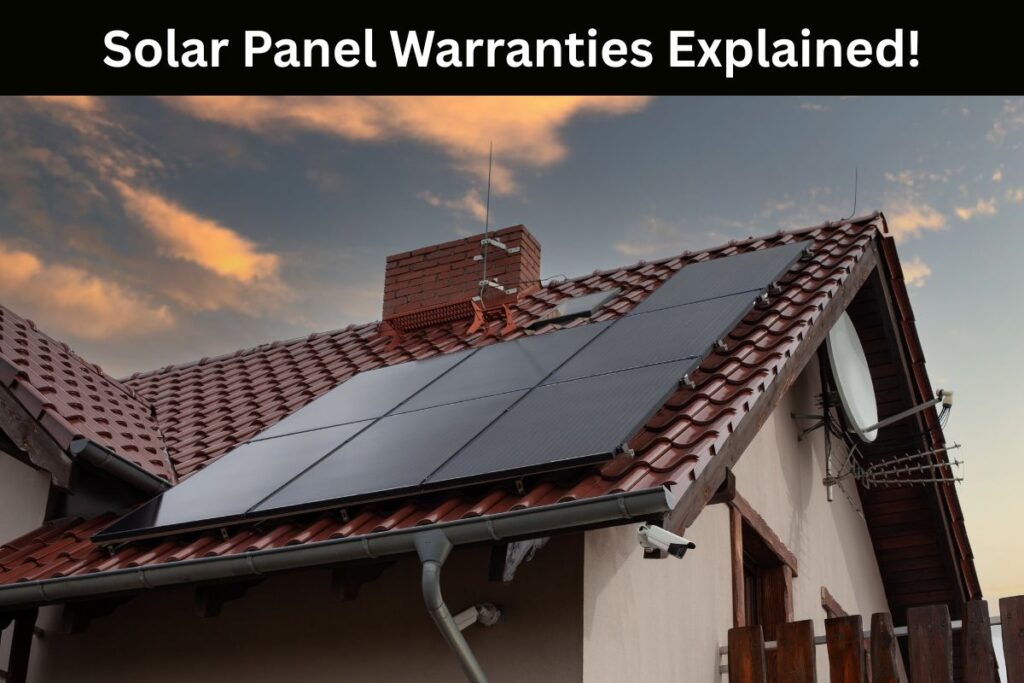
Quick Answer: A solar warranty isn’t a single document – it’s actually three separate warranties layered on top of each other: a product warranty (covers panel and equipment defects, usually 10-25 years), a performance warranty (guarantees the panels won’t degrade faster than a set rate, usually 25-30 years), and a workmanship warranty (covers the installer’s labor and roof penetrations, usually 2-10 years and entirely dependent on that installer staying in business). Most quote comparisons only look at price and panel brand, which is exactly why so many property owners get an unpleasant surprise years later.
Here’s a scenario we see more often than you’d think. A homeowner outside Springfield gets three solar quotes, picks the lowest one, and signs. Eighteen months later, a roof leak develops right where the mounting hardware was installed. The panels themselves are fine the equipment warranty is intact. But the installer who did the job has since closed up shop, and the workmanship warranty that was supposed to cover the leak is effectively worthless. The homeowner is now paying out of pocket for a repair they thought was covered.
This isn’t a rare edge case. It’s one of the most common and most preventable problems in residential solar panel and commercial solar panel. The issue almost never comes from a warranty being fake. It comes from property owners not understanding that “warranty” on a solar quote actually means three different things backed by three different parties, with three different risk profiles.
If you’re evaluating solar for your home or business, understanding how these layers work and which one actually protects you day-to-day will change how you read every quote you get.
Why Warranty Confusion Costs Property Owners Money
Solar salespeople love to say “25-year warranty” because it sounds reassuring. What they usually mean is the performance warranty on the panels themselves the guarantee that a panel will still produce close to its rated output after 25 years of sun exposure. That’s a real and valuable protection. But it tells you almost nothing about what happens if:
- Water gets into your attic through a mounting bracket
- Your inverter fails in year six
- Wiring was installed incorrectly and causes a fault
- The company that installed your system no longer exists
Those situations aren’t covered by the 25-year panel performance warranty. They’re covered or not covered by an entirely different set of terms that most buyers never read closely before signing.
The Three Warranties Hiding Inside “Your Solar Warranty”
1. Product (Equipment) Warranty
This covers manufacturing defects in the physical panels, and separately, in the inverter. If a panel arrives with a factory flaw or an inverter fails prematurely due to a defect, this warranty is what pays for replacement. It’s backed by the equipment manufacturer, not your installer which matters, because manufacturers are typically larger, more stable companies than local installation crews. Typical duration: 10-25 years for panels, often shorter (5-15 years) for inverters unless extended coverage is purchased.
2. Performance Warranty
This guarantees a minimum energy output over time. Solar panels naturally degrade they produce slightly less electricity each year as the materials age. A performance warranty guarantees the panel won’t degrade faster than a stated rate (commonly around 0.5% per year), and guarantees a minimum output percentage often in the 85-92% range at the 25 or 30-year mark. This is also manufacturer-backed.
3. Workmanship Warranty
This is the one that trips people up. It covers the installation itself mounting hardware, roof penetrations, wiring, flashing, and general labor quality. If your roof leaks because of how the system was mounted, or wiring was run incorrectly, this is the warranty that’s supposed to cover the fix. Unlike the other two, this warranty is backed by your installer, not a manufacturer. Typical duration: 2-10 years, though some established installers offer longer terms.
Quick Comparison
| Warranty Type | What It Covers | Who Backs It | Typical Duration |
| Product Warranty | Panel and inverter defects | Equipment manufacturer | 10-25 years (panels), 5-15 years (inverters) |
| Performance Warranty | Guaranteed energy output over time | Equipment manufacturer | 25-30 years |
| Workmanship Warranty | Installation quality, roof penetrations, wiring | Your installer | 2-10 years |
Workmanship vs. Product Warranty: The Distinction That Actually Matters
The single most important thing to understand when comparing quotes is this: the workmanship warranty is only as strong as the company standing behind it. A manufacturer backing a product warranty is usually a large, established company with decades of history and won’t be affected by any single installer’s business decisions. Your workmanship warranty has no such guarantee it lives and dies with the installer who signed your contract.
This is why an experienced installer will actually walk you through company history and financial stability, not just warranty length, when you’re comparing options. A 10-year workmanship warranty from a company that’s been operating for two years carries real uncertainty. A 5-year workmanship warranty from a company with fifteen years of regional installs behind it may honestly be the safer bet even though the number on paper looks smaller.
What an Experienced Installer Knows That Most Articles Don’t Mention
After evaluating hundreds of residential and commercial properties, a few patterns show up again and again that rarely make it into generic solar warranty articles:
- “Orphaned” systems are more common than people realize. When a solar installer goes out of business, closes a regional branch, or gets acquired, homeowners are left with a system that technically still has equipment coverage but no one locally to service it or honor workmanship terms. This is especially common with installers who expanded quickly across multiple states and later scaled back.
- Roof warranties and solar warranties can conflict. Many roofing manufacturers will void their roof warranty if penetrations are made by anyone other than a certified roofer, regardless of what your solar installer promises. Before installation, it’s worth confirming in writing how your solar installer’s mounting method interacts with your existing roof warranty this is a step many quotes skip entirely.
- Degradation rate matters more than “25-year warranty” headlines. Two panels can both carry a 25-year performance warranty but degrade at very different rates 0.3% per year versus 0.7% per year adds up to a meaningful production gap by year 20. This is a detail worth asking about directly rather than assuming all panels perform the same.
- Claims processes vary wildly in speed. Some manufacturers process warranty claims in weeks; others take months and require the original installer to file paperwork on your behalf which becomes a real problem if that installer is no longer operating. Ask how claims are actually filed, not just what’s covered.
- Transferability isn’t automatic. If you sell your property, not every warranty transfers to the new owner without a formal process and some require a transfer fee or paperwork within a specific window after the sale. This affects resale conversations more than most sellers realize.
Real-World Scenarios: How This Plays Out
A business in Bentonville installing a commercial system needs to weigh workmanship warranty length against projected system lifespan differently than a homeowner would, a facility running heavy HVAC loads puts more demand on the whole system, and any wiring or mounting issue has a bigger operational cost if it causes downtime.
A property owner near O’Fallon considering a roof replacement in the next decade needs to think about how solar removal and reinstallation is handled some workmanship warranties explicitly exclude coverage if panels are removed and reinstalled for roof work, which is worth confirming before signing.
None of these scenarios involve exotic edge cases they’re the kinds of questions that come up in nearly every serious solar evaluation once someone looks past the sticker price.
Planning to replace your roof before installing solar?
Read our guide: Should You Replace Your Roof Before Going Solar? A Property Owner’s Decision Guide to understand when replacing your roof first can save significant money and prevent future system removal costs.
Why Quotes Vary So Much (And Warranty Terms Are Often Why)
When two solar quotes come in at noticeably different prices, warranty structure is frequently part of the explanation. A lower quote may reflect:
- A shorter or more limited workmanship warranty
- No coverage for roof penetration repairs
- Standard inverter coverage instead of extended coverage
- Less established installer overhead and support infrastructure
None of this means the cheaper quote is a bad choice automatically but it does mean warranty terms deserve the same scrutiny as price when comparing options. This is exactly the kind of detail a proper site assessment and consultation is designed to surface before you commit to a system size, equipment brand, or installer. Call us to get a free quote!
Questions Worth Asking Before You Sign
- What specifically does the workmanship warranty cover, and for how long?
- How long has the company been operating in this region?
- What happens to my workmanship warranty if the company changes ownership or closes?
- Does the panel degradation rate meet or beat industry averages?
- How are warranty claims actually filed, and by whom?
- Does my roof warranty stay intact after installation?
- Is the warranty transferable if I sell my property, and what does that process involve?
Getting straight answers to these questions in writing before signing anything is one of the clearest signs you’re working with an installer who evaluates properties thoroughly rather than just closing deals quickly.
Before making your final decision, you may also want to read The Biggest Mistakes Homeowners Make Before Installing Solar Panels, where we cover common planning errors—from choosing the wrong installer to overlooking roof condition and warranty details—that can lead to costly surprises later.
Where This Fits Into Your Broader Solar Decision
Warranty terms are only one piece of evaluating whether solar makes sense for a specific property. Roof condition, energy consumption patterns, system sizing, and site-specific factors all play into the bigger picture which is part of why a proper property evaluation matters more than comparing warranty lengths in isolation. If you’re exploring options for your home, our residential solar installation process starts with exactly this kind of evaluation, so warranty terms are just one part of a decision you can actually feel confident about.
Frequently Asked Questions
What's the difference between a workmanship warranty and a product warranty?
A product warranty covers manufacturing defects in the panels and inverter and is backed by the equipment manufacturer. A workmanship warranty covers the quality of the installation itself mounting, wiring, and roof penetrations and is backed by the installer, not the manufacturer.
How long do solar panels actually last?
Most panels are built to last 25-30 years or more, though their output gradually declines over time due to natural degradation. The performance warranty specifies the minimum output guaranteed at various points in that lifespan.
What voids a solar panel warranty?
Common causes include unauthorized modifications, improper maintenance, damage from unrelated roof work performed by someone other than the original installer, and in some cases, failing to register the warranty within a required window.
Do solar warranties transfer to a new homeowner?
Often yes, but usually not automatically. Many warranties require formal transfer paperwork, and some involve a fee or a time limit after the property sale.
What happens if my solar installer goes out of business?
Equipment-related coverage typically remains valid since it's backed by the manufacturer. Workmanship coverage, however, becomes difficult or impossible to enforce, since there's no longer a company obligated to honor it.
Is the inverter warranty different from the panel warranty?
Yes. Inverters typically carry a shorter warranty period than panels, since they're mechanical components with a shorter expected lifespan. Extended inverter coverage is sometimes available separately.
How much does panel output actually decline over time?
It depends on the degradation rate specified in the performance warranty commonly around 0.3-0.7% per year. Over 20-25 years, that difference can add up to a meaningful gap in total energy production.
Should I choose an installer based on warranty length alone?
No. Warranty length matters less than the installer's track record and financial stability, since a longer workmanship warranty is only meaningful if the company is still around to honor it.
Ready to Evaluate Your Property?
Understanding warranty terms is one piece of a much bigger decision. The best way to know whether solar makes sense for your specific property and which system and warranty structure actually fits your situation is a direct evaluation. See if your property is in our service area and request a consultation to get property-specific answers instead of generic ones.