


Solar Panels for New Homes in Springfield: What You Should Know
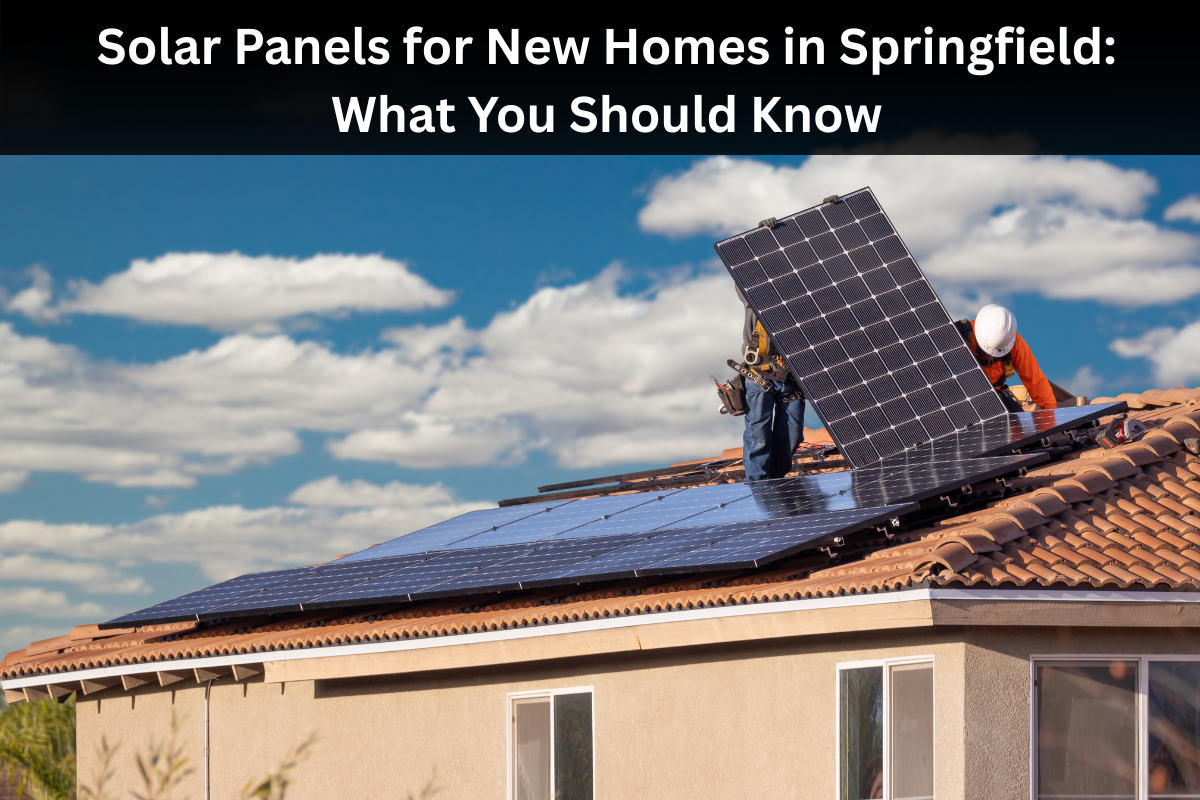
Building or buying a new home in Springfield is an exciting milestone, and if you’re already thinking about solar panels, you’re ahead of the curve in the best possible way. There’s no better time to go solar than when you’re starting fresh. Installing solar on a new construction home is easier, more cost-effective, and more seamlessly integrated than retrofitting an older property.
However, before you sign anything, there’s a lot worth understanding, from how the system works to what incentives you qualify for and what to expect on installation day.
Here’s everything Springfield homeowners need to know about going solar on a new home.
Why New Construction Is the Ideal Time to Go Solar
Most homeowners who convert to solar do so on existing homes, which works perfectly well. But if you’re building or purchasing a newly constructed home, you have a unique opportunity that deserves a closer look.
When solar is integrated during the construction phase, your roof can be designed to accommodate optimal panel placement from day one. There’s no rerouting of existing electrical systems, no awkward retrofitting around old shingles, and no surprises hiding under the surface. Everything is planned together, which means the installation tends to be cleaner, faster, and less disruptive.
There’s also a financial argument. Financing solar as part of your home purchase, rather than as a separate project years later, often allows you to roll the cost into your mortgage, spreading payments over time at a lower interest rate than a standalone solar loan. Your monthly energy savings can immediately offset a portion of that added mortgage cost, which makes the math work from day one.
Understanding Your Solar System: The Basics
Solar panels work by converting sunlight into direct current (DC) electricity. An inverter, the unsung hero of every solar setup, then converts that DC electricity into alternating current (AC) power, which is what your home’s appliances and devices actually use.
The size of your solar system is measured in kilowatts (kW), and it should be sized based on your expected energy consumption. For a new home in Springfield, a professional installer will look at the square footage, the number of occupants, planned appliances, and your orientation on the lot to determine the ideal system size. Getting this right matters; an undersized system leaves you dependent on the grid, while an oversized system costs more than necessary upfront.
Modern residential solar systems also increasingly include battery storage, such as the PWRcell by Generac. Battery backup allows you to store excess solar energy generated during the day and use it at night or during grid outages. For Springfield homeowners who want true energy independence, adding storage to a new home solar system is a decision worth serious consideration.
Solar systems can also contribute to overall home comfort by reducing heat absorption on rooftops, which may help lower cooling demands during warmer months. You can learn more about this in our guide on how solar panels help with home cooling and HVAC efficiency.
Solar Incentives You Shouldn’t Leave on the Table
One of the most important things to understand before going solar is the financial incentive landscape, because it meaningfully reduces your upfront investment.
Net Metering: Homeowners here benefit from the net metering policy, which requires utilities to credit you for excess solar energy you send back to the grid. In practical terms, this means your electric meter runs backward when your panels produce more than you consume, and those credits offset your bill during lower-production months.
These incentives compound meaningfully. A qualified solar provider will walk you through exactly what you’re eligible for before you commit to anything.
What the Installation Process Actually Looks Like
For new homes in Springfield, here’s a general roadmap of what to expect:
First comes the qualification and design phase. A solar provider will evaluate your home’s energy needs, roof orientation, shading, and local permit requirements. Custom blueprints are created specifically for your home, not a generic template.
Next, your installer handles the permitting. In Springfield, this typically involves applying for net metering approval through your utility company, as well as any city or county permits. A reputable installer takes care of this on your behalf so you’re not navigating bureaucracy alone.
Once approvals are in place, the installation itself is scheduled around your availability. For a new construction home, this process is often streamlined; panels go up, the inverter is wired in, and the system is connected to your electrical panel with far less complexity than an older home retrofit.
After installation, your utility company performs a final inspection before your system is authorized to operate. From that point forward, your panels begin producing energy, and your electricity bills begin dropping.
The Real Potential of Solar
Springfield averages around 200 sunny days per year, well above the national average. That’s a genuine advantage for solar production. Even on overcast days, modern high-efficiency panels continue generating electricity, though at reduced capacity. Year-round, the Ozarks’ climate supports a productive solar investment.
The growing community of solar adopters is also worth noting. As more neighbors go solar and share their experiences, the local knowledge base around installers, incentives, and system performance continues to deepen. You’re not pioneering into the unknown; you’re joining a movement that’s already well-established here.
Choosing the Right Solar Partner in Springfield
Not all solar installers are created equal, and this decision matters more than most homeowners realize. The quality of your installation, the equipment used, the warranties offered, and the post-installation support you receive will determine how well your system performs over its 25+ year lifespan.
Look for a provider with a demonstrated local track record, transparent pricing, and a process that includes custom system design, not a one-size-fits-all approach. Ask about the brands of panels and inverters they use, what warranties they back, and whether they handle permitting in-house.
If you’re comparing options or just want honest guidance for your new home, it helps to speak directly with an expert who understands local solar conditions in Springfield. Call us today to discuss your solar options or schedule a free consultation with Solera Energy.
At Solera Energy, based right here in this city, we’ve been bringing solar to Missouri homeowners longer than any other company in the state. As the first solar company to enter the Show-Me State over 12 years ago, we’ve installed more residential solar systems in this state than all other companies combined. Our team customizes every system to the specific energy, investment, and financial needs of each homeowner, because no two homes are the same.
Beyond the city, our reach extends across Kansas City and St. Louis to Columbia, Joplin, and dozens of communities in between. We also serve homeowners in Northwest Arkansas, Southeast Kansas, and the Belleville area of Illinois. Wherever you are in the region, our team is ready to help you make the most of solar energy.
Ready to Get Started?
Building a new home is one of the biggest investments you’ll ever make. Going solar from the start is how you protect that investment, reduce your long-term energy costs, and make a meaningful choice for your family’s future.
If you’re in Springfield or anywhere across Missouri, Northwest Arkansas, Southeast Kansas, or Illinois, Solera Energy is ready to walk you through your options, with no pressure, just expertise. Schedule your free consultation today at Solera Energy LLC now!
Frequently Asked Questions
Is Springfield, Missouri, a good location for solar panels?
Yes. Springfield averages approximately 200 sunny days per year, which is above the national average and makes it well-suited for solar energy production. Even during cloudy periods, modern panels continue generating power at reduced output.
Can I add solar panels to a home that's already under construction?
Absolutely. In fact, this is one of the best times to integrate solar. Coordinating with your builder and a solar installer early allows for optimized roof design, cleaner electrical integration, and a smoother installation overall.
How much can I save on electricity bills with solar in Springfield?
Savings vary based on system size, household energy consumption, and utility rates. However, most Springfield homeowners see significant monthly reductions in their electric bills, with many offsetting the majority of their utility costs through solar production and net metering credits.
What happens to my solar system during a power outage?
Standard grid-tied solar systems without battery storage will shut down during a grid outage for safety reasons. However, if your system includes battery backup, such as the Generac PWRcell, your home can continue to run on stored solar energy even when the grid is down.
How long does a residential solar installation take in Springfield?
The physical installation typically takes one to three days for most residential systems. However, the full timeline from initial consultation to the day your system is authorized to operate typically spans a few weeks, largely due to permitting and utility approval timelines.
Will solar panels increase the value of my new home in Springfield?
Yes. Research consistently shows that solar-equipped homes sell for more than comparable homes without solar.
Here’s Why Our Customers Love Us