



What Property Owners Often Overlook When Planning a Solar Installation
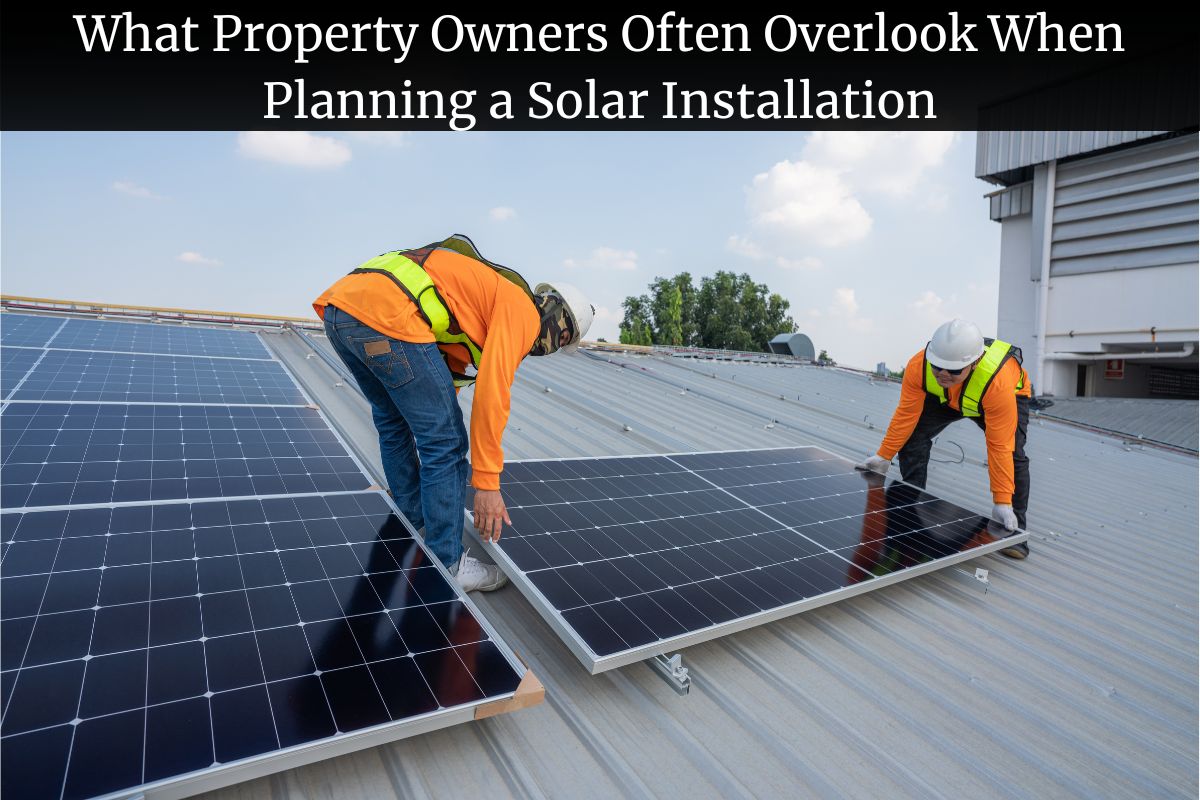
Most solar installations underperform because property owners skip the fundamentals: they don’t assess roof condition, don’t analyze actual energy consumption, ignore shading, and choose the wrong system size. These overlooked factors are the difference between a solar investment that pays off and one that disappoints for decades.
Why So Many Solar Projects Underperform From Day One
You’ve done some research, collected a few quotes, and solar seems like a smart move. The numbers look good on paper. But here’s a pattern that plays out constantly: a property owner installs solar, expects significant energy savings, and ends up with a system that doesn’t produce what it should, not because the panels are defective, but because the planning phase skipped steps that most online guides never mention.
This isn’t rare. It happens with residential properties in Springfield and St. Louis, and with commercial facilities in Fayetteville and Bentonville. The root cause is almost always the same: a decision was made before the property was properly evaluated.
What follows are the specific evaluation factors that experienced solar installers assess before recommending any system size or configuration and that most property owners never think to ask about.
1. Your Roof Tells the Story Before the First Panel Is Ordered
Age and Remaining Useful Life
A roof with five to eight years of life left is a problem that’s easy to miss when you’re focused on solar savings. If you install panels and then need to re-roof within a few years, removing and reinstalling those panels adds significant cost, often $1,500 to $3,000 or more depending on system size. Experienced installers flag this immediately.
Before committing to an installation, get your roof independently inspected. If it needs replacement, coordinate that first. It’s a much cleaner project and protects your long-term investment.
Roof Material Matters More Than Most People Realize
Not all roofing materials are installation-friendly. Concrete tile, clay tile, and certain older standing-seam metal roofs require specialized mounting hardware and techniques. Some older slate roofs can’t support standard racking systems without modification. These factors affect both installation cost and which installers can do the work correctly.
On commercial properties warehouses, retail buildings, flat-roof facilities, membrane roofing types like TPO or EPDM require ballasted or mechanically attached mounting systems, each with structural and warranty implications.
Structural Load Capacity
Solar panels add meaningful weight to a structure. A standard residential system with racking typically adds 2.5 to 4 pounds per square foot. For most modern homes built to current codes, this isn’t an issue. But older homes, buildings with prior storm damage, or structures that haven’t been evaluated structurally can have load-bearing limitations.
Commercial and industrial facilities in particular should request a structural engineering review as part of the planning process. This is standard practice for any reputable commercial solar installer.
2. Energy Consumption Analysis – The Step That Determines Whether Solar Saves You Money
Most property owners approach solar with a vague goal of “lowering my energy bill.” What they actually need is a precise picture of how much electricity they use, when they use it, and how that usage might change over time.
12-Month Usage History Is the Baseline
A solar assessment should always begin with 12 months of utility bills, not a single recent bill, not an average estimate. Energy consumption varies significantly by season, especially in Missouri and Arkansas where summer cooling loads and winter heating demands create steep peaks. Sizing a system on one month of data results in a system that overproduces in mild months and falls short during high-demand periods.
For commercial facilities in Joplin or Kansas City, this becomes even more critical because utility rate structures are more complex. Commercial accounts often carry demand charges, fees based on peak power draw rather than total consumption and solar addresses those differently than residential systems.
Future Load Changes
Planning to add an electric vehicle? Converting from gas to electric heating? Installing a heat pump? These load changes should be factored into system sizing before installation, not after. Adding capacity post-installation is possible but almost always more expensive.
A property in Columbia planning to add two EVs in the next two years should be sized to accommodate that additional consumption from the start. Designing for it upfront is far more cost-effective than a future system expansion.
Planning Insight
A properly scoped solar system should be sized to your anticipated 12-month energy use, not just your current baseline. Planned load additions EVs, heat pumps, pool equipment should be part of the design conversation from the beginning.
3. Shading Analysis: The Detail That Changes Everything
Shading is the single most underestimated performance factor in residential solar planning. A system that looks perfect on paper good roof pitch, good southern exposure can underperform significantly because of a neighbor’s mature oak tree, a chimney shadow in the afternoon, or a rooftop HVAC unit on a commercial building.
Why Partial Shading Hits Harder Than You’d Expect
In a traditional string inverter system, shading on even one panel can reduce the output of every panel connected to that string. This isn’t a fringe scenario, it affects a large percentage of residential installations that haven’t been carefully assessed. Installers who use shade analysis software during the site assessment phase give you a far more accurate performance projection than those relying on a visual check.
Modern microinverter and power optimizer systems partially address this by allowing each panel to operate independently. But the correct solution depends on your specific shade pattern, not a one-size-fits-all product recommendation.
Seasonal Shading Is Different From Summer Shading
The sun’s angle in December in Missouri or Arkansas is dramatically lower than in June. A tree that casts no shade on your roof in summer may block two to three hours of peak production in winter. Proper shade analysis evaluates both scenarios, not just the best-case summer orientation.
Get a Professional Shade Analysis Before You Invest
Don’t let hidden shading issues reduce your solar savings for the next 25+ years. At Solera Energy, we use advanced shade analysis tools to evaluate your roof throughout the year, ensuring your system is designed for maximum efficiency and long-term performance.
Call us now to schedule your free solar consultation today and discover how much energy your home can realistically produce with a customized solar design.
4. How Key Planning Factors Affect System Performance
|
Factor |
Common Mistake |
What to Do Instead |
|---|---|---|
|
Roof Condition |
Assume it’s fine because it doesn’t leak |
Get an independent roof inspection before installation |
|
Energy Usage |
Size system off one recent monthly bill |
Use 12 months of bills; include future load additions |
|
Shading |
Visual check on a sunny summer day only |
Request software-based shade analysis across all seasons |
|
System Sizing |
Accept the first proposal without questioning it |
Ask for annual kWh production estimates with methodology |
|
Inverter Type |
Default to cheapest option available |
Match inverter type to your specific shade and roof layout |
|
Utility Rules |
Assume net metering applies automatically |
Confirm current net metering terms in writing with utility |
|
Permitting |
Trust the installer handles everything silently |
Confirm permit and HOA approval timelines before signing |
5. Why Quote Prices Vary So Dramatically – and What That Actually Means
If you’ve collected multiple solar quotes, you’ve noticed significant price differences. A quote that’s $4,000 lower might seem like the obvious choice. But in solar, that gap often reflects differences that matter over a 20+ year system lifespan.
Equipment Tier Makes a Measurable Difference
Solar panels carry efficiency and degradation ratings. A Tier 1 panel from an established manufacturer might degrade at 0.3 to 0.5 percent per year. A lower-tier panel might degrade at 0.7 to 1.0 percent annually. Over 20 to 25 years, that gap is meaningful, the higher-degrading panel could be producing 15 to 20 percent less energy by end of warranty than the higher-quality alternative.
Warranty Coverage Is Not Uniform
Solar panels carry two separate warranties: a product warranty covering defects, and a performance warranty guaranteeing minimum output over time. These terms vary significantly between manufacturers and should be compared directly when evaluating quotes. The installer’s workmanship warranty is equally important and should be explicitly documented before you sign.
Installation Quality Has Long-Term Consequences
How panels are attached, how wiring is routed, how conduit is protected, these decisions affect system performance and roof integrity over decades. A rushed installation using improper flashing techniques can create moisture infiltration points that compromise roof structure over time. This is especially relevant in areas with heavy seasonal weather, such as communities across the Ozarks or along the Arkansas River Valley.
Is Your Property Ready for Solar?
Get a no-pressure property assessment from Solera Energy. We evaluate your roof, energy usage, shading, and sizing before recommending anything. Schedule Your Free Consultation Now!
6. Utility Rules, Net Metering, and What Happens to Energy You Don’t Use
Solar panels often produce more energy than a property uses during daylight hours. What happens to that surplus depends entirely on your local utility’s rules and those rules can change.
Net metering programs allow property owners to send excess electricity to the grid and receive a credit on their bill. But net metering rates, billing structures, and eligibility requirements vary by utility and state. Some utilities have moved to different credit structures for new solar customers in recent years, which directly affects the economics of an installation.
Before finalizing any solar proposal, confirm the following directly with your utility:
- Current net metering availability and credit rate for new interconnection applicants
- Interconnection process timeline in some areas this takes weeks, in others months
- Any size limits or caps on solar systems eligible for net metering
- Whether time-of-use rates apply and how they interact with your solar production
For commercial properties in Kansas City, St. Louis, or O’Fallon, this conversation is especially important because commercial utility structures are more complex and the financial modeling needs to reflect your actual rate schedule.
7. Permitting, HOA Rules, and Timeline Planning
Solar installations require permits structural, electrical, and sometimes additional local approvals. In most Missouri and Arkansas markets, permitting is a standard process that experienced installers handle routinely. But timeline expectations need to be realistic.
Permit Timelines Vary by Jurisdiction
Urban areas like St. Louis and Kansas City typically have established solar permitting pathways that move reasonably quickly. Smaller municipalities and rural counties can have longer review timelines or may require additional documentation for larger systems. Build this into your project timeline to avoid surprises.
HOA Restrictions
Homeowners associations in planned communities can have solar installation guidelines that restrict panel placement, require specific mounting configurations, or require HOA approval before installation begins. Missouri law restricts HOA outright bans on solar, but aesthetic restrictions may still apply. Confirm your HOA’s requirements in writing before signing a contract.
Utility Interconnection Approval
Even after installation is complete, the system can’t legally operate until the utility grants interconnection approval. In some service territories, this takes two to six weeks. In others it can stretch longer, particularly for commercial systems or larger residential arrays. Factor this into your expectations about when the system will begin producing.
8. Commercial Solar Has Additional Layers of Complexity
Commercial property owners and facility managers face planning considerations that don’t apply to residential installations. Understanding these upfront prevents costly redesigns and delays.
Demand Charge Reduction Potential
Many commercial utility accounts are billed based on peak demand the highest power draw recorded during any 15-minute interval in a billing period. Solar can reduce demand charges in some situations, but only if the system is properly sized and timed. A rooftop solar system that produces energy at peak times may reduce demand charges significantly; one that produces off-peak may not. This analysis requires a detailed review of interval data from your utility bills, not just monthly totals.
Battery Storage Considerations
Commercial properties with critical operations manufacturing facilities in Joplin, healthcare facilities in Columbia, data centers in Bentonville, may benefit from combining solar with battery storage. Battery systems provide backup power and can be used strategically to reduce demand charges by discharging during peak periods. Whether this makes economic sense depends entirely on your load profile and rate structure.
Roof Ownership and Lease Situations
Commercial buildings with triple-net leases or multi-tenant configurations raise questions about who owns the energy produced, who benefits from savings, and who is responsible for maintenance. These contractual considerations should be resolved before installation begins, not after.
Solar Readiness Checklist: What to Evaluate Before Signing Anything
Use this checklist before committing to any solar proposal:
- Roof condition assessed by a licensed inspector within the last 12 months
- 12 months of utility bills compiled and reviewed
- Future load additions (EV, heat pump, additions) factored into sizing
- Professional shade analysis completed using software, not just visual inspection
- Inverter type matched to actual shade conditions and roof layout
- System production estimates received in kWh per year, not just dollar savings
- Utility’s current net metering rules confirmed for new applications
- Interconnection timeline confirmed with the local utility
- HOA requirements reviewed and approval obtained if applicable
- Permit timeline discussed with installer
- Equipment panel warranty and performance warranty compared across quotes
- Installer workmanship warranty documented in writing
- For commercial: demand charge analysis conducted using interval billing data
- For commercial: roof lease, ownership, and tenant implications addressed
Frequently Asked Questions
How do I know if my roof is ready for solar panels?
A qualified installer should conduct a roof inspection before recommending a system. Look for remaining roof life of at least 10 to 15 years, no significant structural damage, and a roofing material compatible with standard mounting hardware. If your roof is nearing end of life, replace it first.
What is the right size solar system for my property?
System size should be based on your 12-month energy consumption history, adjusted for planned load additions such as electric vehicles or heat pumps. A properly sized system offsets the majority of your consumption without generating excessive surplus that your utility may not compensate fully.
Does shading really make that big a difference?
Yes. Even partial shading on a small roof section can significantly reduce total system output, especially with string inverter setups. A software-based shade analysis is necessary to accurately predict production and choose the right inverter configuration.
Why are solar quotes so different between companies?
Equipment quality, inverter type, panel efficiency and degradation rates, warranty terms, and installation practices all vary between installers. A lower quote often reflects lower-tier equipment or thinner warranty coverage. Compare proposals on equipment specifications and warranty terms, not just total price.
What happens to excess solar energy my system produces?
Depending on your utility and location, excess energy can be sent back to the grid through a net metering arrangement. The credit rate and structure vary by utility. Confirm your utility's current net metering rules before finalizing your system design, as these programs can change for new applicants.
Does my HOA have any say in whether I can install solar?
In Missouri, homeowners associations cannot outright prohibit solar installations, but they may enforce reasonable aesthetic restrictions. Review your HOA's governing documents and obtain written approval before installation begins to prevent disputes.
How long does the permitting and approval process take?
Permitting timelines vary by municipality. In urban markets like St. Louis or Kansas City, the process often takes two to four weeks. Smaller jurisdictions may take longer. After installation, utility interconnection approval adds additional time — typically two to six weeks. Factor both into your project timeline.
Is commercial solar different from residential solar in how it's planned?
Significantly so. Commercial properties often have complex utility rate structures including demand charges requiring interval billing data analysis. Roof structures need engineering review. Lease and ownership arrangements may need contractual resolution. A residential solar proposal process is not sufficient for a commercial project.
Here’s Why Our Customers Love Us